

The Dad-Factor: Why Your Lifestyle is 50% of the Fertility Equation
/When couples embark on the journey to parenthood, the focus often falls heavily on the mother. But Dads-to-be, don’t underestimate your contribution. You provide exactly half of the DNA for someone else’s entire life.
Because the male reproductive system is essentially "outside" the body, it is incredibly sensitive to the world around it. The good news? It takes about 90 days to produce new sperm. This means the choices you make today are quite literally "blueprinting" your future child’s health three months from now.
Here is how you can optimize your DNA and give your future child the best possible start.
1. The Environment: Keep it Cool and Clean
Sperm are sensitive to heat and radiation. Because they develop outside the core body, even small thermal changes can hinder development.
The Heat Factor: Avoid resting laptops on your lap, using heated car seats, or wearing restrictive underwear.
Technology & Radiation: Research into "pockets and phones" suggests that keeping cellphones in front pockets may impact sperm morphology (shape). Try moving your phone to a jacket pocket or desk.
Chemical Exposure: Pesticides and insecticides act as endocrine disruptors. If you work with these chemicals, be diligent about protective gear and hand-washing to prevent inflammation and impaired sperm development. Using heavy metals, paints, or solvents also use protective measure i.e. masks & gloves.
2. The Caffeine Trade-Off
Caffeine isn't all bad, but the source matters.
Coffee & Tea: Moderate intake (2–3 cups) might actually boost motility (how well sperm swim). However, exceeding 4 cups can lead to DNA fragmentation.
The Real Villains: Caffeinated soft drinks and energy drinks are consistently linked to lower sperm counts. This is likely due to the combination of high sugar and synthetic stimulants which disrupt the hormonal balance needed for healthy production.
3. Cannabis and Alcohol: The Quality Killers
Both substances can significantly "slow down" your stats.
Cannabis: Regular use is associated with a nearly 30% reduction in sperm count. It can also lead to abnormally shaped sperm and lower libido by disrupting the hormonal axis.
Alcohol: Heavy drinking (more than 14 units a week) can lead to "lazy" sperm and DNA damage. For those undergoing ART or IVF, cutting back is crucial—alcohol intake is linked to higher miscarriage risks and lower live birth rates.
4. Smoking: A Genetic Risk
Smoking is perhaps the most detrimental habit for male fertility.
The Stats: Smokers see a 13–19% drop in sperm concentration.
DNA Damage: Toxins like cadmium and lead in cigarettes cause DNA fragmentation. This doesn't just make it harder to conceive; it increases the risk of failed embryo development. In some studies, live birth rates were three times lower for couples where the male partner smoked.
5. Fueling the Blueprint: Diet & Nutrients
You can "eat" your way to better sperm by focusing on membrane fluidity and reducing oxidative stress.
The Good Stuff:
Omega-3s: (Salmon, walnuts) Help the sperm membrane stay fluid for fertilization.
Antioxidants: (Tomatoes, berries, citrus) Protect DNA from damage.
Zinc & Selenium: (Oysters, pumpkin seeds, Brazil nuts) The "building blocks" of testosterone and motility.
The Bad Stuff:
Ultra-Processed Foods: High intake can increase the risk of a low sperm count by a staggering 349%.
Processed Meats: Bacon and deli meats are unfavourably linked to sperm count and shape.
So heres the tips:
Improving male fertility often involves small, consistent lifestyle changes aimed at reducing oxidative stress, balancing hormones, and maintaining optimal testicular temperature. As mentioned it takes approximately two to three months for a new batch of sperm to fully develop, it is best to start these habits at least 90 days before trying to conceive.
1. Maintain a Healthy Environment for Sperm
Testicles are located outside the body because sperm production is ideal at a temperature slightly lower than core body temperature.
Avoid Overheating: Limit time in hot tubs, saunas, and hot baths.
Wear Loose Clothing: Choose breathable, loose-fitting underwear (like boxers) rather than tight briefs or trousers that hold the testicles close to the body.
Limit Toxin Exposure: Using BPA-free plastic or switching to glass containers can also reduce exposure to endocrine disruptors.
2. Focus on Diet and Weight
A healthy weight helps balance hormones like testosterone and oestrogen, which are critical for sperm count and motility.
Mediterranean Diet: Prioritize plant-based foods, healthy fats (like olive oil and nuts), and fish.
Manage Weight: If you have a high BMI, losing even a small amount of weight (5–10%) can significantly improve fertility.
3. Adjust Daily Habits
Get Regular Sleep: Aim for 7 to 8 hours of quality sleep; sleep deprivation is associated with lower sperm concentration and motility.
Moderate Exercise: Regular aerobic activity and resistance training can boost testosterone. However, avoid excessive endurance training or prolonged cycling, which may have the opposite effect.
Frequency of Sex: Ejaculating every 2 to 3 days is often recommended to maintain fresh, healthy sperm production.
4. Professional Medical Steps
Medication Review: Certain antidepressants, blood pressure medications, and especially anabolic steroids can drastically lower sperm count. Discuss alternatives with your doctor.
STI Screening: Untreated infections like chlamydia or gonorrhea can cause scarring that blocks the reproductive tract
The 90-Day Challenge
Your body is a sperm-making factory that resets roughly every three months. If you want to optimize your contribution, start these changes today. Your future child will carry the results of these choices for a lifetime.
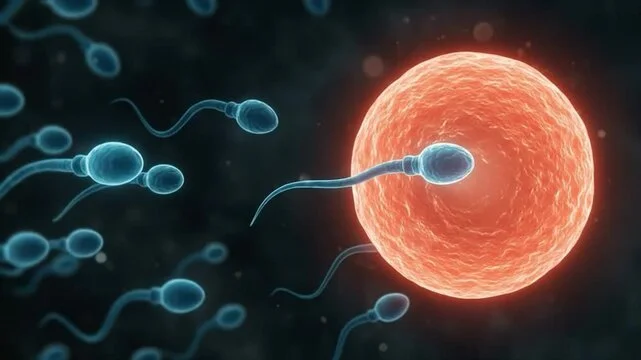
Male fertility