The Dad-Factor: Why Your Lifestyle is 50% of the Fertility Equation

When couples embark on the journey to parenthood, the focus often falls heavily on the mother. But Dads-to-be, don’t underestimate your contribution. You provide exactly half of the DNA for someone else’s entire life.

Because the male reproductive system is essentially "outside" the body, it is incredibly sensitive to the world around it. The good news? It takes about 90 days to produce new sperm. This means the choices you make today are quite literally "blueprinting" your future child’s health three months from now.

Here is how you can optimize your DNA and give your future child the best possible start.

1. The Environment: Keep it Cool and Clean

Sperm are sensitive to heat and radiation. Because they develop outside the core body, even small thermal changes can hinder development.

  • The Heat Factor: Avoid resting laptops on your lap, using heated car seats, or wearing restrictive underwear.

  • Technology & Radiation: Research into "pockets and phones" suggests that keeping cellphones in front pockets may impact sperm morphology (shape). Try moving your phone to a jacket pocket or desk.

  • Chemical Exposure: Pesticides and insecticides act as endocrine disruptors. If you work with these chemicals, be diligent about protective gear and hand-washing to prevent inflammation and impaired sperm development. Using heavy metals, paints, or solvents also use protective measure i.e. masks & gloves.

2. The Caffeine Trade-Off

Caffeine isn't all bad, but the source matters.

  • Coffee & Tea: Moderate intake (2–3 cups) might actually boost motility (how well sperm swim). However, exceeding 4 cups can lead to DNA fragmentation.

  • The Real Villains: Caffeinated soft drinks and energy drinks are consistently linked to lower sperm counts. This is likely due to the combination of high sugar and synthetic stimulants which disrupt the hormonal balance needed for healthy production.

3. Cannabis and Alcohol: The Quality Killers

Both substances can significantly "slow down" your stats.

  • Cannabis: Regular use is associated with a nearly 30% reduction in sperm count. It can also lead to abnormally shaped sperm and lower libido by disrupting the hormonal axis.

  • Alcohol: Heavy drinking (more than 14 units a week) can lead to "lazy" sperm and DNA damage. For those undergoing ART or IVF, cutting back is crucial—alcohol intake is linked to higher miscarriage risks and lower live birth rates.

4. Smoking: A Genetic Risk

Smoking is perhaps the most detrimental habit for male fertility.

  • The Stats: Smokers see a 13–19% drop in sperm concentration.

  • DNA Damage: Toxins like cadmium and lead in cigarettes cause DNA fragmentation. This doesn't just make it harder to conceive; it increases the risk of failed embryo development. In some studies, live birth rates were three times lower for couples where the male partner smoked.

5. Fueling the Blueprint: Diet & Nutrients

You can "eat" your way to better sperm by focusing on membrane fluidity and reducing oxidative stress.

  • The Good Stuff:

    • Omega-3s: (Salmon, walnuts) Help the sperm membrane stay fluid for fertilization.

    • Antioxidants: (Tomatoes, berries, citrus) Protect DNA from damage.

    • Zinc & Selenium: (Oysters, pumpkin seeds, Brazil nuts) The "building blocks" of testosterone and motility.

  • The Bad Stuff:

    • Ultra-Processed Foods: High intake can increase the risk of a low sperm count by a staggering 349%.

    • Processed Meats: Bacon and deli meats are unfavourably linked to sperm count and shape.

So heres the tips:

Improving male fertility often involves small, consistent lifestyle changes aimed at reducing oxidative stress, balancing hormones, and maintaining optimal testicular temperature. As mentioned it takes approximately two to three months for a new batch of sperm to fully develop, it is best to start these habits at least 90 days before trying to conceive.

1. Maintain a Healthy Environment for Sperm

Testicles are located outside the body because sperm production is ideal at a temperature slightly lower than core body temperature.

  • Avoid Overheating: Limit time in hot tubs, saunas, and hot baths.

  • Wear Loose Clothing: Choose breathable, loose-fitting underwear (like boxers) rather than tight briefs or trousers that hold the testicles close to the body.

  • Limit Toxin Exposure: Using BPA-free plastic or switching to glass containers can also reduce exposure to endocrine disruptors.

2. Focus on Diet and Weight

A healthy weight helps balance hormones like testosterone and oestrogen, which are critical for sperm count and motility.

  • Mediterranean Diet: Prioritize plant-based foods, healthy fats (like olive oil and nuts), and fish.

  • Manage Weight: If you have a high BMI, losing even a small amount of weight (5–10%) can significantly improve fertility.

3. Adjust Daily Habits

  • Get Regular Sleep: Aim for 7 to 8 hours of quality sleep; sleep deprivation is associated with lower sperm concentration and motility.

  • Moderate Exercise: Regular aerobic activity and resistance training can boost testosterone. However, avoid excessive endurance training or prolonged cycling, which may have the opposite effect.

  • Frequency of Sex: Ejaculating every 2 to 3 days is often recommended to maintain fresh, healthy sperm production.

4. Professional Medical Steps

  • Medication Review: Certain antidepressants, blood pressure medications, and especially anabolic steroids can drastically lower sperm count. Discuss alternatives with your doctor.

  • STI Screening: Untreated infections like chlamydia or gonorrhea can cause scarring that blocks the reproductive tract

The 90-Day Challenge

Your body is a sperm-making factory that resets roughly every three months. If you want to optimize your contribution, start these changes today. Your future child will carry the results of these choices for a lifetime.

Male fertility

Can Common Medicine Cabinet Staples Boost Fertility? A Deep Dive into Aspirin & Mucinex

In the world of fertility, we often look for the "next big breakthrough." However, sometimes the most interesting support comes from the most humble places. Many of my patients have asked about using low-dose Aspirin and Mucinex to support conception—and many have fallen pregnant while using them.

While these are "off-label" uses (meaning they aren't the primary reason the drugs were designed), there is a compelling physiological rationale for why they might help. Here is a look at the "how" and "why" behind these two household names.

1. Aspirin: Addressing the "Plague" of Inflammation

Inflammation is often called the plague of the 21st century, and fertility is not spared from its impact. Aspirin, a non-steroidal anti-inflammatory (NSAID) and mild anticoagulant, may assist conception by improving blood permeability.

The "Flow" Factor

The hypothesis is simple: wherever blood flows, nutrients follow. By thinning the blood slightly, Aspirin may reduce "congestion" caused by inflammation—particularly in conditions like Endometriosis or PCOS.

  • For the Ovaries: Enhanced blood flow can assist follicle development and improve egg quality.

  • Post-Ovulation: It may support the function of the Corpus Luteum, ensuring a healthier hormonal environment.

Supporting the "Soil"

Perhaps the most pivotal benefit is supporting implantation. In IVF, the "Colorado Protocol" often includes Aspirin post-embryo transfer to help the embryo "stick." By navigating the tiny blood vessels in the uterine wall, Aspirin helps create a rich, receptive lining. Some even recommend continuing use during early pregnancy to support healthy placental development and reduce miscarriage risk.

Note: Aspirin is not recommended for those with a history of clotting disorders or those taking anticoagulants. Always consult your doctor before starting, especially if you have upcoming surgery.

2. Mucinex: Helping Sperm Find Their Way

Mucinex (active ingredient: Guaifenesin) is a decongestant designed to thin mucus in the lungs. However, its "thinning" effect isn't just limited to the respiratory system—it appears to affect cervical mucus as well.

Restoring the "Sperm Highway"

For sperm to reach the uterus, they need "slippery," receptive cervical mucus. Mucinex acts as a systemic expectorant, reducing the viscosity of this mucus to facilitate easier sperm motility. This is particularly beneficial for those with "scarce" mucus.

The "Pill Hangover" Effect

There is significant research (notably by Professor Erik Odeblad) suggesting that long-term use of oral contraceptives can impact cervical mucus even after you stop taking them. The Pill works by thickening mucus to block sperm; specifically, it can reduce the volume of S-type mucus, which is essential for transporting and nourishing sperm. For some, these cervical "crypts" remain affected long-term, and Mucinex may help restore that necessary fluid balance.

The Bottom Line

While Mucinex and Aspirin aren't "fertility drugs" in the traditional sense, they both target the internal environment. One ensures the "soil" is well-perfused (Aspirin), while the other ensures the "pathway" is clear (Mucinex).

When we address inflammation and improve fluid dynamics, we give the body a better chance to do what it does best.

To discuss how Acupuncture can assist with conception- contact Sharlene at sharlene@happybodyacupuncture.co.nz.nz

'BBT' Basal Body Temperature Charting for Conception

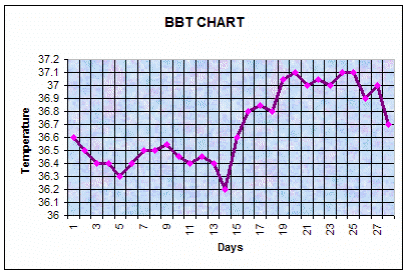
‘BBT’ or basal body temperature charting: this involves taking your temperature every morning prior to getting out of bed (after a minimum of 3 hours sleep), temperature can be taken orally or vaginally- don't alternate between locations as this will affect accuracy, attempt to take the temperature at the same time daily, as temperature can vary with time. You require a thermometer with at least 1 decimal (0.1) placement- 2 decimal places is even better (0.2), this is because the daily temperature is plotted on a graph, most Fertility apps have a BBT graph option (i personally used Flo) you simply enter the data and it's plotted for you. Over the course of your cycle various information can be gathered from the graph:

Preovulation: this is data pertaining to the follicular cycle, it is reflective of FSH & estrogen levels, the temperatures should remain low in this part of the cycle, however if inflammatory conditions such as Endometriosis are present you may notice some thermal fluctuations.

Ovulation: this is observed by a maintained temperature shift of at least 0.2 C- 0.5 over a 48 hour period, this thermal shift ideally should get displayed as higher temperatures to earlier in your cycle, some women notice a drop in the temperature when ovulation itself occurs,  this thermal change indicates ovulation has previously occurred, therefore as soon as you notice a dip in temps or a rise starting to occur ensure your having sex during this time (bear in mind the egg only surivives 24 hours, so ideally your wanting sperm to already be present) Timing intercourse every 2 days during your Fertile week is beneficial (healthy sperm can live up to 5 days in the female reproductive tract). To note those with ovulation conditions such as Poly Cystic Ovary Syndrome (PCOS) may notice minor thermal rises- however the temperature falls back down, this is often due to the body attempting to unsuccessfully ovulate.

Post ovulation: this is regarded as the Luteal phase, the temperatures here should remain steady and high- reflective of healthy Progesterone levels, only just prior to menstruation should it start to drop, or if conception has occurred it will continue to rise.

To note illness, medications, alcohol, travel & tiredness can alter the accuracy of BBT. It is beneficial to combine BBT data with other indicators; especially cervical mucous, this should become noticeable 2- 3 days prior to ovulation as more cloud vaginal discharge, then at the time of ovulation to facilitate sperms transportation mucous changes to a clear watery viscosity. Over several cycles you should start to see a pattern of when you ovulate, your most Fertile time will be 3- 5 days prior to your temperature rise, giving an indication when to time intercourse.

Other Fertility tips; suggest researching the benefits of:

● Low dose Aspirin (do not use if history of clotting disorders or taking anti-coagulants) post ovulation for reducing inflammation + encouraging implantation to take place.

● The use of Mucinex prior to ovulation if cervical mucous is scant.

Happy Charting! x


BBT Example


Acupuncture for Occupational Overuse Syndrome or OOS

OOS/ Occupation Overuse Syndrome or RSI/Repetitive Strain Injury seem to be one of the plagues of the 21st century; with office workers spending even more time behind desks, computer screens, in office chairs and utilising a mouse. Studies show we are spending up to 8 hours a day in this kind of environment and unfortunately the body 'evolutionary wise' hasn't caught up!

That pain, tingling/ numbness, burning sensation or loss of strength is a sign your forearms, wrists, hands, joints are not recovering from the load they're having put on them; chronic fine muscle movements such as that of a computer mouse, wreak havoc on small muscle groups and tendons. This unfortunately tends to lead to another condition: chronic inflammation. The inflammatory response is crucial for the body’s survival and repair with acute injury, however when it becomes persistent and chronic, this beneficial role reverses and it actually starts to do damage.

Acupuncture can provide some much needed relief from the constant discomfort of OOS/RSI. This is achieved through stimulating the afferent nerve fibres in the tight restricted forearms, which makes them relax and release some of the tension.
Then the increase in fluid circulation, stimulated by an Acupuncture needle, works as a natural anti-inflammatory, assisting in breaking the cycle of chronic inflammation and lessening the destructive effect it has on tissues. The end result is more mobility and most importantly, a reduction in pain. This results in muscles becoming healthy and being able to open a jar or lift the kettle. Body movements which were difficult or painful become achievable again!

OOS.jpg
Research/ further reading:

Branco, K & Naeser, M 1999,’Carpal Tunnel Syndrome: Clinical Outcome After Low-Level Laser Acupuncture, Microamps Transcutaneous Electrical Nerve Stimulation, and Other Alternative Therapies – An Open Protocol Study’, The Journal of ALternative and Complementary Medicine, Vol. 5, No. 1, pp. 5 – 26,

Amirlak, B, Wolff, T, Ahmed, O, Upadhyaya, K, Tsai, T, Scheker, L & Tabbal, G 2016, ‘Median Nerve Entrapment – Anatomy’, Medscape Website, http://emedicine.medscape.com/article/1242387-overview#a12,

Ho, C, Lin, H, Lee, Y, Chou, L, Kuo, T, Chang, H, Chen, Y & Lo, S 2014, ‘Clinical Effectiveness of Acupuncture for Carpal Tunnel Syndrome’, The American Journal of Chinese Medicine, Vol. 42, No. 2, pp. 303 – 314.

Tui Na- Traditional Chinese Massage

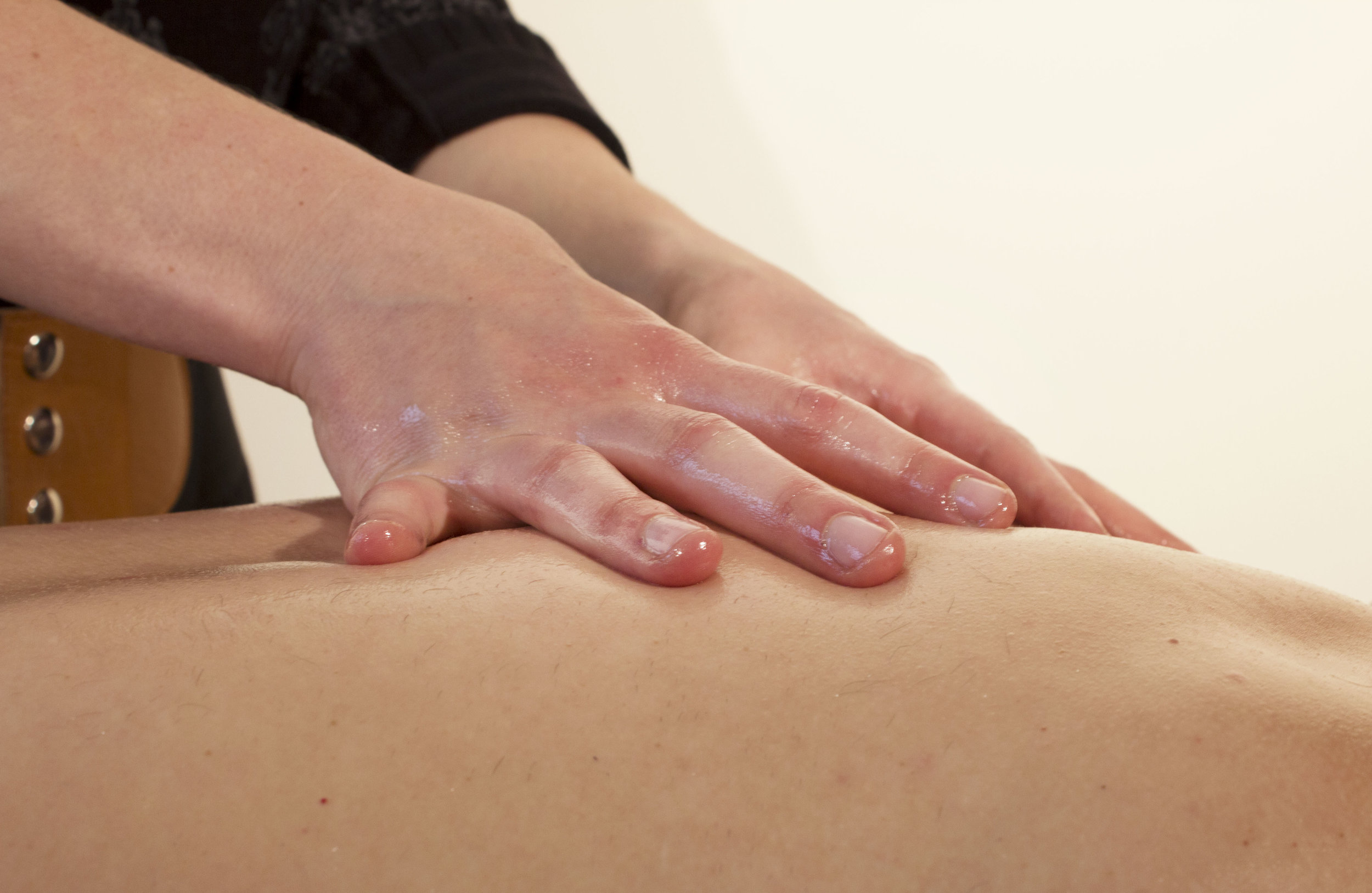
Tuina is traditional Chinese Medical Massage, the practitioners hands place pressure on soft tissue along the meridians of the body and at specific points on the body (acupuncture points) utilising acupoint therapy to assist in the balancing of the body.  Treatments incorporate acupressure and massage techniques: your practitioner may brush, knead, roll, press, tap and/or rub affected areas. The massage is usually done using gentle to quite firm pressure, using palms, thumbs, fingers, and elbows, added to this are various stretches. To receive Tui Na massage feels not unsimilar to a therapeutic deep tissue massage.

Tui na is considered an external medicine, along with the utilisation of cupping, moxibustion, and gua sha, these modalities are often used together in various combinations. In conjunction your practitioner may combine both Acupuncture and Tui na into a single treatment, as this combination works effectively: The objective of the combined treatment is to stimulate blood flow to sore or injured areas, which helps to initiate a healing effect within that particular area; while simultaneously providing pain relief, releasing tension & reducing inflammation. Stimulating injuries to heal effectively the first time, reducing the chance of this reoccurring, people too frequently experience those niggly injuries that come and go during life, hence the importance of addressing injuries properly when they first arise. As unfortunately the longer things are left the longer they will take to resolve, the body is a 'creature of habit' and requires more encouragement as time progresses.

Tui Na It is similar to Shiatsu in that it uses the Traditional Chinese Medical theory of the flow of Qi through the meridians of the body as its basic means of therapy. Tui Na can improve general circulation, increase range of motion and is effective in nerve regulation. Tui Na massage plays a role in rehabilitation and is effective in the treatment of muscles, tendons and ligaments. Tuina can be a complete healing system in itself, it is effective for not only musculo-skeletal problems, but also internal ailments such as digestive problems, menstrual disorders, respiratory illnesses, and stress.


TUINA IS COMMONLY USED TO TREAT:

- Neck / shoulder pain

- Back/ hip pain

- Shoulder joint pain

- Leg/ ankle pain

- Calf tension

- Jaw tension

- Arthritis

- Sciatica

- Muscle spasms

- Sports Injuries

- Sprains/ strains

- Occupational overuse syndrome(OOS)

..... And just general relaxation & wellbeing!


Feeling Nervous Post Quake?... ACUPUNCTURE can help!

Acupuncture for Trauma Symptoms

In light of recent events I thought I would shed light on the ways Acupuncture can offer support for trauma and more specifically, focused on post-Earthquake trauma.

It has been shown over the past week alcohol and tobacco sales have doubled if not more, unlikely purely statistical coincidence but a more immediate response to stress! In a crisis we all deal with stress in our own way, some fortunate people even experiencing no stress at all… Alas for some it’s quite the opposite with sleepless nights, anxiety or just an overall feeling of unease, not feeling safe. I will enlighten you on a natural therapeutic option available.

Acupuncture elicits a semi immediate calming effect on the body, so is excellent at drawing you out of the ‘fight or flight’ mode (sympathetic nervous system) and into more of a calm non Adrenaline fuelled (parasympathetic) state. In initial crisis mode Adrenaline and Cortisol (primary stress hormone) has its place in terms of supplementing energy levels and giving that major surge sometimes needed to pull you through those initial days. Long term though, Adrenaline/ Cortisol becomes very detrimental and can potentially lead to more severe medical conditions: chronic pressure on the heart & blood vessels (because of increased heart rate and blood pressure), spiking Glucose levels in the blood stream.  Cortisol also puts a halt to all non-essential body functions:  digestion becomes suppressed, lowered immunity; even the reproductive system is affected. This begins to take its toll on the body, to name a few associated conditions:

  • Anxiety

  • Depression

  • Digestive problems

  • Headaches

  • Heart disease

  • Sleep problems

  • Weight gain

  • Memory and concentration impairment

  • And as some of you will be familiar with the term ‘Adrenal fatigue’

Unfortunately with the ‘fight or flight’ response, insomnia can frequently arrive hand in hand which is a terrible combination on the body. Acupuncture can assist with this by increasing the natural feel good hormones such as Dopamine and Serotonin which encourages an overall sense of wellbeing, actually lowering Cortisol levels and allowing you to feel safer, helping tackle those restless nights when every shudder makes your heart pound.

All this leading to less feeling of fatigue and fear- influencing that in the likelihood of another tremor (big or small) you’re going to be in a better position to handle crisis should it arise. Developing resilience, we all really want the reassurance that ‘we will get through’..

If you have any queries regarding this or if you would like to know further, I’m always happy to answer any questions: sharlene@happybodyacupuncutre.co.nz

References:

Mayo Clinic: http://www.mayoclinic.org/healthy-lifestyle/stress-management/in-depth/stress/art-20046037                                                                                                                                         


Acupuncture Myths

Like anything, if you give yourself enough time to do a spot of Internet exploring you’re going to find something that will deter you from trying acupuncture. The truth being, people react differently to their various experiences in life; while some might love one restaurant, another person might never step foot inside it again.

Take pharmaceuticals some people respond fast and effectively to drugs, whilst others it won’t work for as well. You’ll never know if Acupuncture will work well for you until you give it a try! *n.b Traditional Acupuncture and ‘dry needling, ‘Trigger point needling’ are different things- which we will elaborate on later*

Acupuncture works- there’s no denying that. There are however plenty of myths surrounding the treatment which could be putting some of you off- and I wanted to clear a few of them up…

It’s painful!                                                                                                                                                                                

Frightened of vaccinations? Acupuncture needles are absolutely nothing like those used for injections. In fact, they’re so fine (thinner than a human hair) you’ll hardly feel them when they penetrate the skin. The way the needles are inserted is with a gentle flick or tap; the majority of people feel that sensation on the skin then the needle going in itself. If you are not comfortable with that sensation at any point your Acupuncturist will always take the needle out. You might instead feel a slight tingling or awareness in certain areas of the body once the needles are in, but this just shows that the Acupuncture is correctly doing what it’s supposed to do.

Acupuncture is only for Injuries!

Again being a myth, majority of conditions Acupuncture can be beneficial with (not just injuries!) Common conditions we can help with:

  • Infertility

  • Mental/Emotional conditions

  • Digestive complaints

  • Insomnia

  • Sinusitis/ respiratory problem

  • And the common cold!

It’s unsafe if you’re pregnant!

This is a major myth (to note always inform your Acupuncturist of potential pregnancy) We will avoid certain Acupuncture points during pregnancy, Acupuncture is 100% safe (ensuring your with a qualified/ registered Acupuncturist) We can actually assist with common pregnancy complaints such as:

  • Morning sickness

  • Muscular aches & pains

  • Headaches

  • From 35 weeks assist with encouraging a natural efficient labour

  • Breech babies

  • Induction treatment (if you’ve gone over your due date)

It doesn’t work!

At this stage in New Zealand ACC will fund Acupuncture services, private insurers will also subsidise treatments. This would not occur if ‘Acupuncture didn’t work’. Acupuncture is currently being carried out at IVF centres throughout the world and here in Wellington- again this would not be happening if there was no evidence to show effectiveness.

  • Pooled results of 29 studies involving nearly 18,000 participants; overall, acupuncture relieved pain by about 50%- pain levels halved

  • An article examined the effectiveness of acupuncture in treating chronic shoulder pain (CSP). Participants were comprised of 424 patients with CSP. Random assignment placed each patient into traditional acupuncture, sham acupuncture, or conventional orthopedic treatment. Directly following treatment analysis revealed that the traditional acupuncture group yielded a 68% improvement, sham acupuncture 24%, and conventional orthopedic treatment 28%.

  • In 2010, Manber et al. (N=150) found a significantly 50% decrease in depressive symptoms amongst pregnant patients with Major depressive disorder.

  • A study of 160 women, published April 2002 in the reproductive journal Fertility and Sterility, a group of German researchers found that adding acupuncture to the traditional IVF treatment protocols substantially increased pregnancy success by 61%.

  • An observation study by Betts and Lenox in 2004 looked at the effect of using pre-birth acupuncture on 169 women as part of their routine antenatal care. In the acupuncture group there was an overall 35% reduction in the number of inductions (for women having their first baby this was a 43% reduction) and a 31% reduction in the epidural rate when compared to the local population. When comparing midwifery only care there was a 32% reduction in emergency caesarean delivery and a 9% increase in normal vaginal births.

You need no training to be an Acupuncturist

Acupuncturists in New Zealand complete four years University level training to be qualified and registered. Completing at least 500 clinical hours and passing a final exam for registration, as well as completing yearly continued development hours for registration.

It’s not entirely safe

As long as you a being treated by a qualified/ registered practitioner rate of adverse events requiring specific treatment after Acupuncture are 2.2% (4963 incidents among 229 230 subjects), worst case scenario!

Most common side effects with rates are as follows:

  • Small bleedings (2,9%),

  • Hematoma (Bruising) (2,2%),

  • Dizziness (1 %)

*n.b I have been asked and there is no ‘Death point’ or ‘Kiss of the Dragon” point- apologies to martial arts fans!*

It Can’t Make You Look Better

While most people use acupuncture to help rid themselves of pain, some swear by it for the benefits it brings to their skin – and it’s a myth that the technique can’t make you look better.

Facial acupuncture or beauty acupuncture as it’s more commonly known stimulates the skin’s ability to regenerate and restructure itself. In accelerating anti-inflammatory activity it can remove accumulative toxins from the skin and encourage new collagen and elastin production. This can be particularly beneficial for anyone with acne scarring or for those who’d like to add a youthful glow to their complexion

Acupuncture & Dry needling are the same thing

Again this is false- Dry needling was established by Physiotherapists who saw the excellent results Acupuncturists were getting treating Muscular-Skeletal conditions. So an element of this was taken and adapted to their modality. When dry needling is performed and stimulated in a different means to a Traditional Acupuncturist, we generally do not stimulate needles to the point where it elicits such a strong nerve response.

I shouldn’t go to my Acupuncture appointment if I have a Cold/ Flu

We appreciate your consideration of not spreading your cold- but Acupuncture can be very beneficial at supplementing the immune system and helping your body throw off any winter chills you may catch in the colder weather.

References:

Kubista E, Kucera H. Geburtshilfe Perinatol 1974; 178 224-9. Zeisler H, Tempfer C, Mayerhofe Kr, Barrada M, Husslein P. Influence of acupuncture on duration of labour Gynecol Obstet Invest 1998; 46:22-5. Betts D, Lennox S. Acupuncture for prebirth treatment: An observational study of its use in midwifery practice. Medical acupuncture 2006 May; 17(3):17-20

Molsberger, A., Schneider, T., Gotthardt, H., Drabik, A. (2010). German randomized acupuncture trial for chronic shoulder pain (GRASP) – A pragmatic, controlled, patient-blinded, multi-centre trial in an outpatient care environment. Pain, 151, 146-154. Doi:10.1016/j.pain.2010.06.36

Acupuncture for Chronic Pain:  Individual Patient Data Meta-analysis: Andrew J. Vickers, DPhil; Angel M. Cronin, MS; Alexandra C. Maschino, BS; George Lewith, MD; Hugh MacPherson, PhD; Nadine E. Foster, DPhil; Karen J. Sherman, PhD; Claudia M. Witt, MD; Klaus Linde, MD; for the Acupuncture Trialists' Collaboration

Influence of acupuncture on the pregnancy rate in patients who undergo assisted reproduction therapy: Wolfgang E Paulus, M.D. Mingmin Zhang, M.D. Erwin Strehler, M.D. Imam El-Dhanasouri, PhD. Karl Sterzik, M.D.

Acupuncture for Treating Anxiety and Depression in Women: A Clinical Systematic Review:
David P. Sniezek, DC, MD, MBA, FAAMA1 and Imran J. Siddiqui, MD2

Acupuncture-related adverse events: a systematic review of the Chinese literature:
Junhua Zhang, Hongcai Shang, Xiumei Gao & Edzard Ernst,
a. Research Centre of Traditional Chinese Medicine, Tianjin University of Traditional Chinese Medicine, 88 Yuquan Road, Tianjin, 300193, China.
b. Peninsula Medical School, University of Exeter, Exeter, England


Acupuncturist in Beijing

"Traditional Chinese Medicine (TCM), more of a lifestyle choice rather than complementary medicine"

It’s no surprise due to the age of Chinese society that they have such an established medical system, as like any of the ancient civilisations; be it Indian (Ayurveda), Greek and even Maori culture, society learns that any 'natural' disease can be aided by remedies provided by their environment, in a sense 'nature does provide' it’s just knowing where to look.

Something I noticed when speaking to locals about Traditional Chinese Medicine (TCM), all were familiar with the concept of 'patience' when it comes to healing. Even with my own knowledge in complementary medicine, this is something I struggle with from time to time. All had a similar view; “Anything that is treating the root cause of disease takes time", we often lose patience and look for easier means, resorting to pharmaceuticals which many Chinese believe can create long term damage to the body and often only treat the symptoms. 

Here is an interesting concept I feel is worth mentioning due to my own interest in treating pregnant women in preparation for childbirth: "The Golden Month' or "One Month’s rest". One of my guides explained this further: following giving birth, for the next 28 days women are to rest/ sleep, only to be disturbed to feed the baby and eat. Immediately after birth is seen as a very vulnerable time for women; due to extreme loss of energy and blood resulting in the body being very susceptible to illness, if this prevails it could create a chronic lifelong illness. This period of time is also viewed as an opportunity, which can really establish good health for the new mother and establish a strong constitution. The windows in the room are all sealed with plastic, any cracks and gaps filled- the emphasis is that no draft is allowed to penetrate the room. All cleaning during the initial 2 weeks is 'steam baths', eventually the woman is allowed to bathe but it’s in the hottest water tolerable. At no point during these 4 weeks is the woman to experience cold or wind. She emphasised that previous to having her son she constantly had breathing issues/ shortness of breath (weak energy/ qi), since her 'Golden month' she has never experienced these symptoms again. 

A lot of us don’t have this luxury postpartum, but it pays to bear in mind the stress and pressure put upon women to be immediately back into day to day routines, exercise and even working for some! Are we creating health problems for ourselves later in life? The opportunity to maybe take life slower for the first 28 days could be optimal for mother’s health long term. It also provides a beautiful time to bond with baby.

The Chinese have developed such an elaborate and effective form of medicine over 2000+ years.  It has herbal dispensaries like we have pharmacies and entire hospitals dedicated to Traditional Chinese medicine. Visiting China was enlightening as a TCM doctor to visit the origins of this profession, where Traditional Chinese Medicine is more culture than complementary therapy. 

and I surely anticipate returning again.

Guang'AnMen Traditional Chinese Medicine Hospital, Xicheng Province, Beijing.

Guang'AnMen Traditional Chinese Medicine Hospital, Xicheng Province, Beijing.

'Tong Ren Tang'- major Herbal Medicine dispensary chain store in China. 

'Tong Ren Tang'- major Herbal Medicine dispensary chain store in China. 

What is Chinese Cupping?

Patients often ask about “what the glass oval cups are used for” when visiting my practise. Hopefully this information will explain and give you more of an understanding of what cupping is and the benefits cupping has when using them.

Cupping is an ancient method of treating muscular tension which from a Chinese Medicine perspective is generally caused from “Stagnation”. (Stagnation - prevents blood and energy in the body from moving freely and results in giving elevated pain and restricted movement in the affected muscle area) Cupping assists by drawing out the muscular tension and allowing the affected muscle area to release the tension.

Cupping is achieved by creating a partial vacuum inside a Chinese cup (as seen in the supplied picture above) this is done with a small flame inside the cup, then the flame quickly extinguished creating the vacuum. The cup is then applied to the affected muscular area(s). Because of the vacuum, the underlying tissue is gently drawn into the cup. The cups remain in the affected area for up to 20 minutes. If we have a slightly larger area to cover we can do “sliding cupping” where a small amount of oil is applied to the skin so we can move the cups around. For some particular conditions a cup can be placed on top of a needle to create a desired effect. We have various sized cups to accommodate different surface areas.

The mechanism through which cupping creates a therapeutic effect is by stimulating blood flow to the area being cupped, so fresh blood is directed to the area and brings with it nutrients for the muscles and helps initiate a healing response in the tissue. Cupping also assists by pulling out the stuck blood that may be left in a muscle which is not in a relaxed state. The suction effect assists with flushing toxins out of the muscle by lifting the muscle off the bone. Cupping is extremely effective at relaxing muscular tension, breaking adhesions between the skin and underlying connective tissues allowing for unrestricted movement and relaxing muscle fibres. This incorporated with Acupuncture enhances the healing effect and stimulates deep muscle relaxation.

Most people describe the cupping sensation felt as being a drawing but pleasant feeling. The treatment is painless when the cups are applied to the body. The muscle release afterwards is similar to the feeling felt after a deep tissue massage. Common areas we apply cups to are the lower/mid back, between the shoulder blades, shoulders and lower neck.

Cupping is commonly used for the following issues and is limited to being applied on flat surface areas (being mainly the back):

  • Shoulder Tension (Deltoids and Trapezius)
  • Lower Back Pain (Sciatica)
  • Tight and tensioned Hips
  • Back muscle tension due to excessive weight use and heavy lifting
  • Back muscle tension due to poor back posture

If you are interested in trying Cupping come in for a consultation to discuss how it could potentially benefit any particular ailments you may be experiencing.