The Dad-Factor: Why Your Lifestyle is 50% of the Fertility Equation

When couples embark on the journey to parenthood, the focus often falls heavily on the mother. But Dads-to-be, don’t underestimate your contribution. You provide exactly half of the DNA for someone else’s entire life.

Because the male reproductive system is essentially "outside" the body, it is incredibly sensitive to the world around it. The good news? It takes about 90 days to produce new sperm. This means the choices you make today are quite literally "blueprinting" your future child’s health three months from now.

Here is how you can optimize your DNA and give your future child the best possible start.

1. The Environment: Keep it Cool and Clean

Sperm are sensitive to heat and radiation. Because they develop outside the core body, even small thermal changes can hinder development.

  • The Heat Factor: Avoid resting laptops on your lap, using heated car seats, or wearing restrictive underwear.

  • Technology & Radiation: Research into "pockets and phones" suggests that keeping cellphones in front pockets may impact sperm morphology (shape). Try moving your phone to a jacket pocket or desk.

  • Chemical Exposure: Pesticides and insecticides act as endocrine disruptors. If you work with these chemicals, be diligent about protective gear and hand-washing to prevent inflammation and impaired sperm development. Using heavy metals, paints, or solvents also use protective measure i.e. masks & gloves.

2. The Caffeine Trade-Off

Caffeine isn't all bad, but the source matters.

  • Coffee & Tea: Moderate intake (2–3 cups) might actually boost motility (how well sperm swim). However, exceeding 4 cups can lead to DNA fragmentation.

  • The Real Villains: Caffeinated soft drinks and energy drinks are consistently linked to lower sperm counts. This is likely due to the combination of high sugar and synthetic stimulants which disrupt the hormonal balance needed for healthy production.

3. Cannabis and Alcohol: The Quality Killers

Both substances can significantly "slow down" your stats.

  • Cannabis: Regular use is associated with a nearly 30% reduction in sperm count. It can also lead to abnormally shaped sperm and lower libido by disrupting the hormonal axis.

  • Alcohol: Heavy drinking (more than 14 units a week) can lead to "lazy" sperm and DNA damage. For those undergoing ART or IVF, cutting back is crucial—alcohol intake is linked to higher miscarriage risks and lower live birth rates.

4. Smoking: A Genetic Risk

Smoking is perhaps the most detrimental habit for male fertility.

  • The Stats: Smokers see a 13–19% drop in sperm concentration.

  • DNA Damage: Toxins like cadmium and lead in cigarettes cause DNA fragmentation. This doesn't just make it harder to conceive; it increases the risk of failed embryo development. In some studies, live birth rates were three times lower for couples where the male partner smoked.

5. Fueling the Blueprint: Diet & Nutrients

You can "eat" your way to better sperm by focusing on membrane fluidity and reducing oxidative stress.

  • The Good Stuff:

    • Omega-3s: (Salmon, walnuts) Help the sperm membrane stay fluid for fertilization.

    • Antioxidants: (Tomatoes, berries, citrus) Protect DNA from damage.

    • Zinc & Selenium: (Oysters, pumpkin seeds, Brazil nuts) The "building blocks" of testosterone and motility.

  • The Bad Stuff:

    • Ultra-Processed Foods: High intake can increase the risk of a low sperm count by a staggering 349%.

    • Processed Meats: Bacon and deli meats are unfavourably linked to sperm count and shape.

So heres the tips:

Improving male fertility often involves small, consistent lifestyle changes aimed at reducing oxidative stress, balancing hormones, and maintaining optimal testicular temperature. As mentioned it takes approximately two to three months for a new batch of sperm to fully develop, it is best to start these habits at least 90 days before trying to conceive.

1. Maintain a Healthy Environment for Sperm

Testicles are located outside the body because sperm production is ideal at a temperature slightly lower than core body temperature.

  • Avoid Overheating: Limit time in hot tubs, saunas, and hot baths.

  • Wear Loose Clothing: Choose breathable, loose-fitting underwear (like boxers) rather than tight briefs or trousers that hold the testicles close to the body.

  • Limit Toxin Exposure: Using BPA-free plastic or switching to glass containers can also reduce exposure to endocrine disruptors.

2. Focus on Diet and Weight

A healthy weight helps balance hormones like testosterone and oestrogen, which are critical for sperm count and motility.

  • Mediterranean Diet: Prioritize plant-based foods, healthy fats (like olive oil and nuts), and fish.

  • Manage Weight: If you have a high BMI, losing even a small amount of weight (5–10%) can significantly improve fertility.

3. Adjust Daily Habits

  • Get Regular Sleep: Aim for 7 to 8 hours of quality sleep; sleep deprivation is associated with lower sperm concentration and motility.

  • Moderate Exercise: Regular aerobic activity and resistance training can boost testosterone. However, avoid excessive endurance training or prolonged cycling, which may have the opposite effect.

  • Frequency of Sex: Ejaculating every 2 to 3 days is often recommended to maintain fresh, healthy sperm production.

4. Professional Medical Steps

  • Medication Review: Certain antidepressants, blood pressure medications, and especially anabolic steroids can drastically lower sperm count. Discuss alternatives with your doctor.

  • STI Screening: Untreated infections like chlamydia or gonorrhea can cause scarring that blocks the reproductive tract

The 90-Day Challenge

Your body is a sperm-making factory that resets roughly every three months. If you want to optimize your contribution, start these changes today. Your future child will carry the results of these choices for a lifetime.
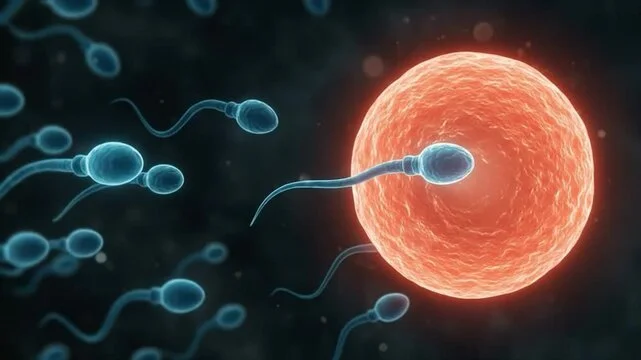
Male fertility
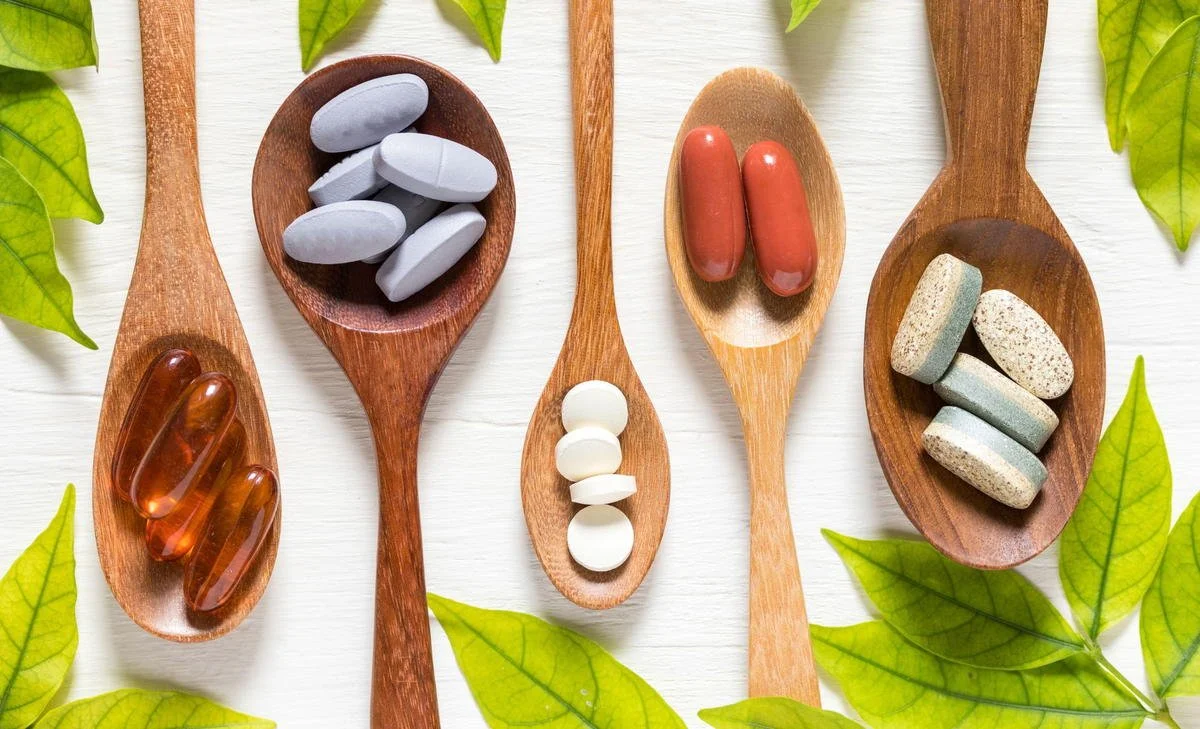
Can Common Medicine Cabinet Staples Boost Fertility? A Deep Dive into Aspirin & Mucinex

In the world of fertility, we often look for the "next big breakthrough." However, sometimes the most interesting support comes from the most humble places. Many of my patients have asked about using low-dose Aspirin and Mucinex to support conception—and many have fallen pregnant while using them.

While these are "off-label" uses (meaning they aren't the primary reason the drugs were designed), there is a compelling physiological rationale for why they might help. Here is a look at the "how" and "why" behind these two household names.

1. Aspirin: Addressing the "Plague" of Inflammation

Inflammation is often called the plague of the 21st century, and fertility is not spared from its impact. Aspirin, a non-steroidal anti-inflammatory (NSAID) and mild anticoagulant, may assist conception by improving blood permeability.

The "Flow" Factor

The hypothesis is simple: wherever blood flows, nutrients follow. By thinning the blood slightly, Aspirin may reduce "congestion" caused by inflammation—particularly in conditions like Endometriosis or PCOS.

  • For the Ovaries: Enhanced blood flow can assist follicle development and improve egg quality.

  • Post-Ovulation: It may support the function of the Corpus Luteum, ensuring a healthier hormonal environment.

Supporting the "Soil"

Perhaps the most pivotal benefit is supporting implantation. In IVF, the "Colorado Protocol" often includes Aspirin post-embryo transfer to help the embryo "stick." By navigating the tiny blood vessels in the uterine wall, Aspirin helps create a rich, receptive lining. Some even recommend continuing use during early pregnancy to support healthy placental development and reduce miscarriage risk.

Note: Aspirin is not recommended for those with a history of clotting disorders or those taking anticoagulants. Always consult your doctor before starting, especially if you have upcoming surgery.

2. Mucinex: Helping Sperm Find Their Way

Mucinex (active ingredient: Guaifenesin) is a decongestant designed to thin mucus in the lungs. However, its "thinning" effect isn't just limited to the respiratory system—it appears to affect cervical mucus as well.

Restoring the "Sperm Highway"

For sperm to reach the uterus, they need "slippery," receptive cervical mucus. Mucinex acts as a systemic expectorant, reducing the viscosity of this mucus to facilitate easier sperm motility. This is particularly beneficial for those with "scarce" mucus.

The "Pill Hangover" Effect

There is significant research (notably by Professor Erik Odeblad) suggesting that long-term use of oral contraceptives can impact cervical mucus even after you stop taking them. The Pill works by thickening mucus to block sperm; specifically, it can reduce the volume of S-type mucus, which is essential for transporting and nourishing sperm. For some, these cervical "crypts" remain affected long-term, and Mucinex may help restore that necessary fluid balance.

The Bottom Line

While Mucinex and Aspirin aren't "fertility drugs" in the traditional sense, they both target the internal environment. One ensures the "soil" is well-perfused (Aspirin), while the other ensures the "pathway" is clear (Mucinex).

When we address inflammation and improve fluid dynamics, we give the body a better chance to do what it does best.

To discuss how Acupuncture can assist with conception- contact Sharlene at sharlene@happybodyacupuncture.co.nz.nz

Acupuncture Myths

Like anything, if you give yourself enough time to do a spot of Internet exploring you’re going to find something that will deter you from trying acupuncture. The truth being, people react differently to their various experiences in life; while some might love one restaurant, another person might never step foot inside it again.

Take pharmaceuticals some people respond fast and effectively to drugs, whilst others it won’t work for as well. You’ll never know if Acupuncture will work well for you until you give it a try! *n.b Traditional Acupuncture and ‘dry needling, ‘Trigger point needling’ are different things- which we will elaborate on later*

Acupuncture works- there’s no denying that. There are however plenty of myths surrounding the treatment which could be putting some of you off- and I wanted to clear a few of them up…

It’s painful!                                                                                                                                                                                

Frightened of vaccinations? Acupuncture needles are absolutely nothing like those used for injections. In fact, they’re so fine (thinner than a human hair) you’ll hardly feel them when they penetrate the skin. The way the needles are inserted is with a gentle flick or tap; the majority of people feel that sensation on the skin then the needle going in itself. If you are not comfortable with that sensation at any point your Acupuncturist will always take the needle out. You might instead feel a slight tingling or awareness in certain areas of the body once the needles are in, but this just shows that the Acupuncture is correctly doing what it’s supposed to do.

Acupuncture is only for Injuries!

Again being a myth, majority of conditions Acupuncture can be beneficial with (not just injuries!) Common conditions we can help with:

  • Infertility

  • Mental/Emotional conditions

  • Digestive complaints

  • Insomnia

  • Sinusitis/ respiratory problem

  • And the common cold!

It’s unsafe if you’re pregnant!

This is a major myth (to note always inform your Acupuncturist of potential pregnancy) We will avoid certain Acupuncture points during pregnancy, Acupuncture is 100% safe (ensuring your with a qualified/ registered Acupuncturist) We can actually assist with common pregnancy complaints such as:

  • Morning sickness

  • Muscular aches & pains

  • Headaches

  • From 35 weeks assist with encouraging a natural efficient labour

  • Breech babies

  • Induction treatment (if you’ve gone over your due date)

It doesn’t work!

At this stage in New Zealand ACC will fund Acupuncture services, private insurers will also subsidise treatments. This would not occur if ‘Acupuncture didn’t work’. Acupuncture is currently being carried out at IVF centres throughout the world and here in Wellington- again this would not be happening if there was no evidence to show effectiveness.

  • Pooled results of 29 studies involving nearly 18,000 participants; overall, acupuncture relieved pain by about 50%- pain levels halved

  • An article examined the effectiveness of acupuncture in treating chronic shoulder pain (CSP). Participants were comprised of 424 patients with CSP. Random assignment placed each patient into traditional acupuncture, sham acupuncture, or conventional orthopedic treatment. Directly following treatment analysis revealed that the traditional acupuncture group yielded a 68% improvement, sham acupuncture 24%, and conventional orthopedic treatment 28%.

  • In 2010, Manber et al. (N=150) found a significantly 50% decrease in depressive symptoms amongst pregnant patients with Major depressive disorder.

  • A study of 160 women, published April 2002 in the reproductive journal Fertility and Sterility, a group of German researchers found that adding acupuncture to the traditional IVF treatment protocols substantially increased pregnancy success by 61%.

  • An observation study by Betts and Lenox in 2004 looked at the effect of using pre-birth acupuncture on 169 women as part of their routine antenatal care. In the acupuncture group there was an overall 35% reduction in the number of inductions (for women having their first baby this was a 43% reduction) and a 31% reduction in the epidural rate when compared to the local population. When comparing midwifery only care there was a 32% reduction in emergency caesarean delivery and a 9% increase in normal vaginal births.

You need no training to be an Acupuncturist

Acupuncturists in New Zealand complete four years University level training to be qualified and registered. Completing at least 500 clinical hours and passing a final exam for registration, as well as completing yearly continued development hours for registration.

It’s not entirely safe

As long as you a being treated by a qualified/ registered practitioner rate of adverse events requiring specific treatment after Acupuncture are 2.2% (4963 incidents among 229 230 subjects), worst case scenario!

Most common side effects with rates are as follows:

  • Small bleedings (2,9%),

  • Hematoma (Bruising) (2,2%),

  • Dizziness (1 %)

*n.b I have been asked and there is no ‘Death point’ or ‘Kiss of the Dragon” point- apologies to martial arts fans!*

It Can’t Make You Look Better

While most people use acupuncture to help rid themselves of pain, some swear by it for the benefits it brings to their skin – and it’s a myth that the technique can’t make you look better.

Facial acupuncture or beauty acupuncture as it’s more commonly known stimulates the skin’s ability to regenerate and restructure itself. In accelerating anti-inflammatory activity it can remove accumulative toxins from the skin and encourage new collagen and elastin production. This can be particularly beneficial for anyone with acne scarring or for those who’d like to add a youthful glow to their complexion

Acupuncture & Dry needling are the same thing

Again this is false- Dry needling was established by Physiotherapists who saw the excellent results Acupuncturists were getting treating Muscular-Skeletal conditions. So an element of this was taken and adapted to their modality. When dry needling is performed and stimulated in a different means to a Traditional Acupuncturist, we generally do not stimulate needles to the point where it elicits such a strong nerve response.

I shouldn’t go to my Acupuncture appointment if I have a Cold/ Flu

We appreciate your consideration of not spreading your cold- but Acupuncture can be very beneficial at supplementing the immune system and helping your body throw off any winter chills you may catch in the colder weather.

References:

Kubista E, Kucera H. Geburtshilfe Perinatol 1974; 178 224-9. Zeisler H, Tempfer C, Mayerhofe Kr, Barrada M, Husslein P. Influence of acupuncture on duration of labour Gynecol Obstet Invest 1998; 46:22-5. Betts D, Lennox S. Acupuncture for prebirth treatment: An observational study of its use in midwifery practice. Medical acupuncture 2006 May; 17(3):17-20

Molsberger, A., Schneider, T., Gotthardt, H., Drabik, A. (2010). German randomized acupuncture trial for chronic shoulder pain (GRASP) – A pragmatic, controlled, patient-blinded, multi-centre trial in an outpatient care environment. Pain, 151, 146-154. Doi:10.1016/j.pain.2010.06.36

Acupuncture for Chronic Pain:  Individual Patient Data Meta-analysis: Andrew J. Vickers, DPhil; Angel M. Cronin, MS; Alexandra C. Maschino, BS; George Lewith, MD; Hugh MacPherson, PhD; Nadine E. Foster, DPhil; Karen J. Sherman, PhD; Claudia M. Witt, MD; Klaus Linde, MD; for the Acupuncture Trialists' Collaboration

Influence of acupuncture on the pregnancy rate in patients who undergo assisted reproduction therapy: Wolfgang E Paulus, M.D. Mingmin Zhang, M.D. Erwin Strehler, M.D. Imam El-Dhanasouri, PhD. Karl Sterzik, M.D.

Acupuncture for Treating Anxiety and Depression in Women: A Clinical Systematic Review:
David P. Sniezek, DC, MD, MBA, FAAMA1 and Imran J. Siddiqui, MD2

Acupuncture-related adverse events: a systematic review of the Chinese literature:
Junhua Zhang, Hongcai Shang, Xiumei Gao & Edzard Ernst,
a. Research Centre of Traditional Chinese Medicine, Tianjin University of Traditional Chinese Medicine, 88 Yuquan Road, Tianjin, 300193, China.
b. Peninsula Medical School, University of Exeter, Exeter, England